
2.5.1 Curriculum Component Sequence Example - A STEAM Course
In this section, we will explore how to transform the elements of the Learning Design Triangle (LDT) into a Curriculum Component (CC) Sequence for a STEAM course conceptually. Considering that we are designing a course titled "Scientific Investigations in Photosynthesis".
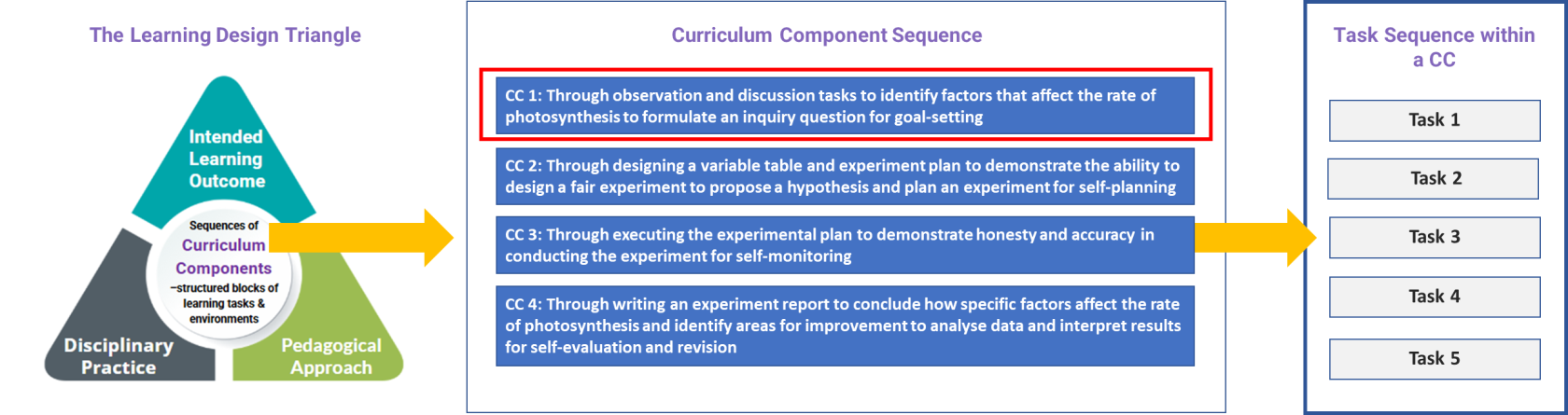
Figure: 2.5 Curriculum Component Sequence for the Course “Scientific Investigations in Photosynthesis”
1. Complete the Learning Design Triangle (LDT)
- To establish the contextual background for the learning design, we will define the intended learning outcomes, disciplinary practice, and pedagogical approach.
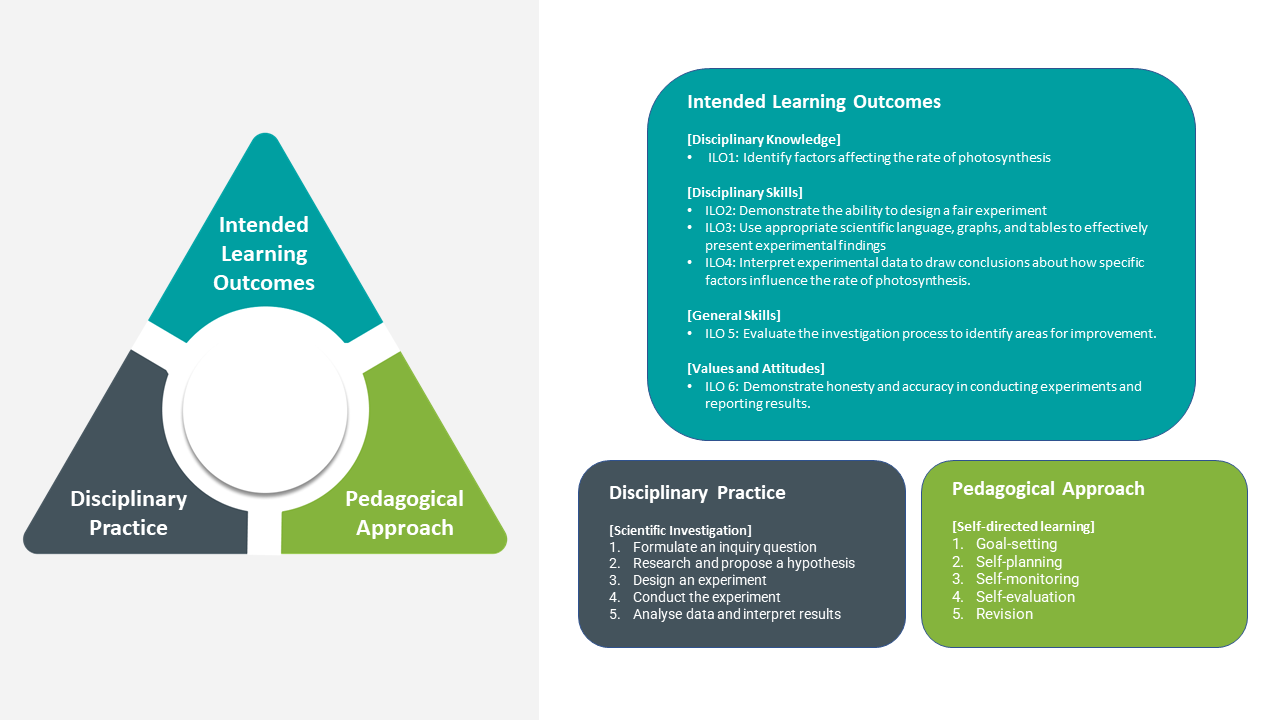
Figure 2.6: A Sample Learning Design Triangle
2. Arrange the LDT elements by learning phases
- To make the learning design more manageable, we divide the learning process into distinct phases, guided by the workflow steps of disciplinary practice and the pedagogical foci of the pedagogical approach. Each phase serves as a curriculum unit, focusing on a specific set of learning outcomes.
- In the Learning Design Triangle framework, we call each curriculum unit a Curriculum Component. The collection of curriculum components that represents all phases of learning in a course is called a Curriculum Component Sequence.
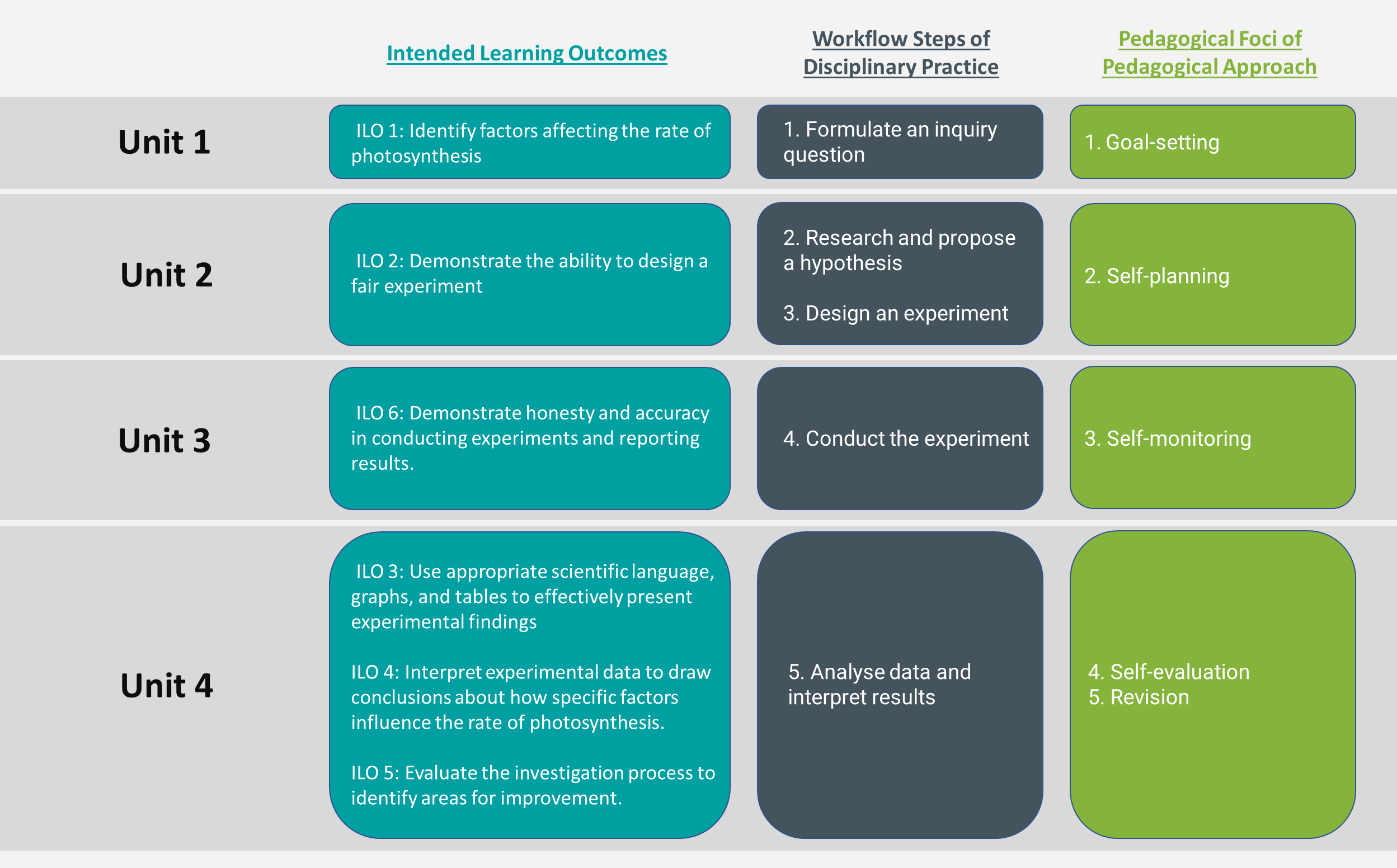
Figure 2.6 Arrangement of LDT Elements into Curriculum Units by Learning Phases
3. Assign learning tasks to each Curriculum Components
- To put the Curriculum Component into practice, we need to assign learning tasks to enhance and evaluate learners’ development in knowledge, skills, or values.
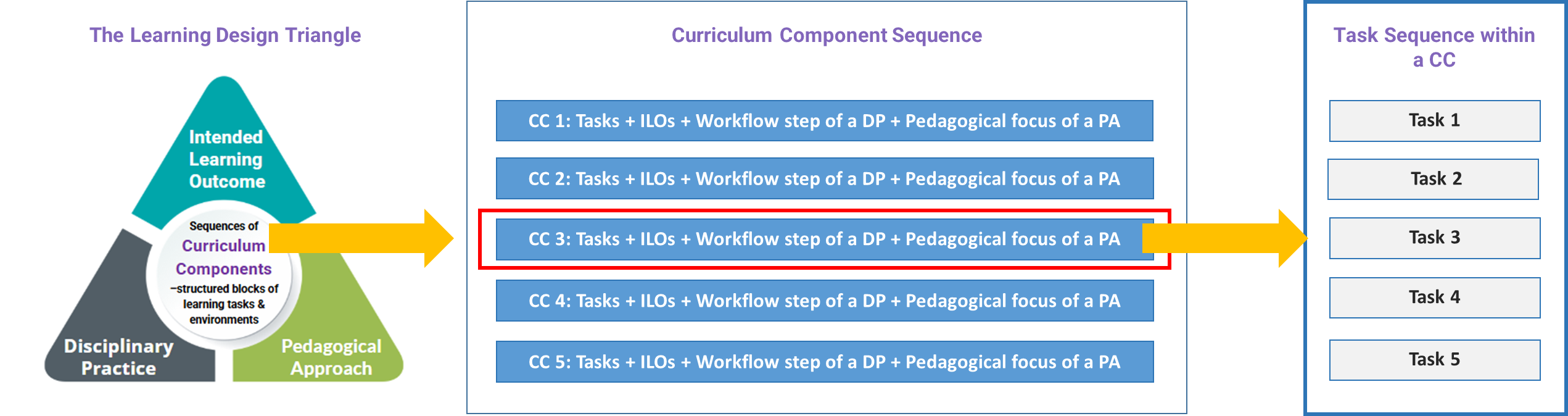
Figure: 2.7 An Illustration of the Learning Design Triangle and the Curriculum Component Sequence
Now, we will explore an example of a Curriculum Component (CC) focused on the "goal-setting" phase, which is presented as Unit 1 in Figure 2.6.
| CC Name |
A CC name is formed by combining four components.
E.g. Through observation and discussion tasks to identify factors that affect the rate of photosynthesis to formulate an inquiry question for goal-setting
|
|||||||||||||||
| Linked Intended Learning Outcomes |
|
|||||||||||||||
| Workflow Step of Disciplinary Practice | Scientific Investigation-Formulate an inquiry question | |||||||||||||||
| Pedagogical Focus | Self-directed Learning - Goal-setting | |||||||||||||||
| Learning Tasks |
|
The tasks in a CC:
- A task can be both an learning task and an assessment.
- A well-formulated task sequence helps build knowledge and skills step-by-step while enabling ongoing assessment of student understanding.
-
The introduction of the task types will be covered in Chapter 2.6 - Task Taxonomy.
4. Become a practical learning design can be implemented in lessons
- By assigning tasks to all Curriculum Components (CCs), you have successfully transformed overarching design concepts into actionable teaching practices.
Figure: 2.8 The Curriculum Component Sequence for a STEAM Course
- At the end, the LDS enables you to convert your learning design to a course on the IDEALS Learning Management System (iLAP) for implementation. More details will be covered in Chapter 8 - Confirming the iLAP Section Arrangement.
- The link to the learning design of this sample course.