2.5.1 Curriculum Component Sequence Example - A STEAM Course
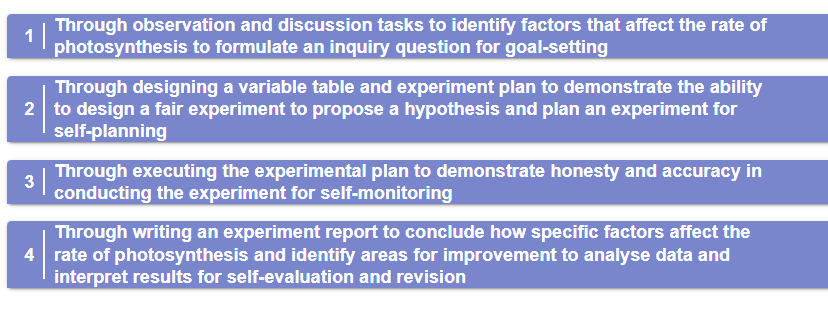
In this section, we will explore how to transform the elements of the Learning Design Triangle (LDT) into a Curriculum Component (CC) Sequence for a STEAM course conceptually. Considering that we are designing a course titled "Scientific Investigations in Photosynthesis".
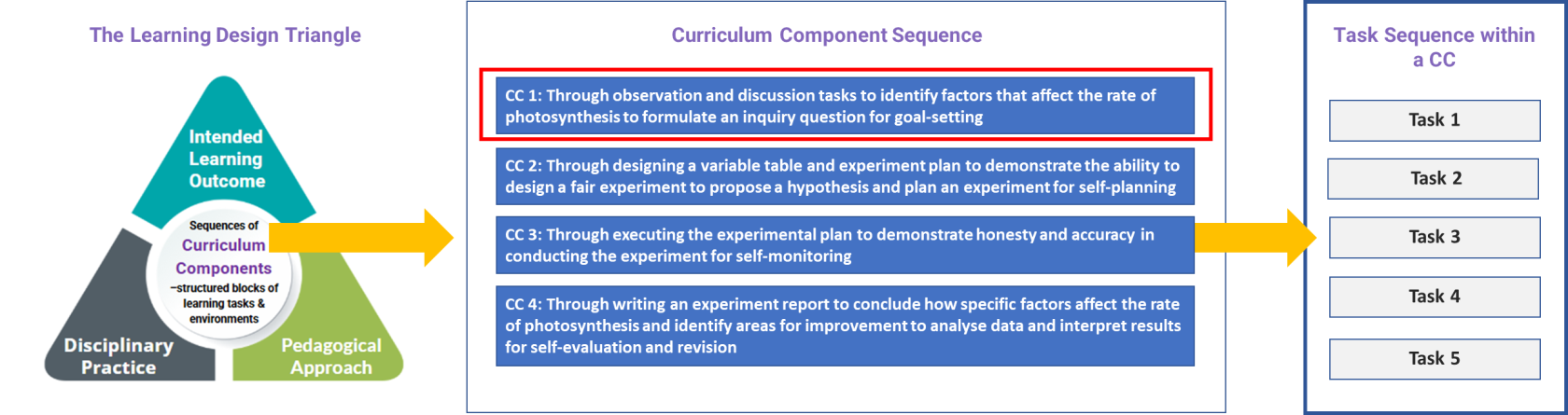
Figure: 2.5 The Curriculum Component Sequence for a STEAM Course
1. Complete the Learning Design Triangle (LDT)
- To establish the contextual background for the learning design, we will define the intended learning outcomes, disciplinary practice, and pedagogical approach.
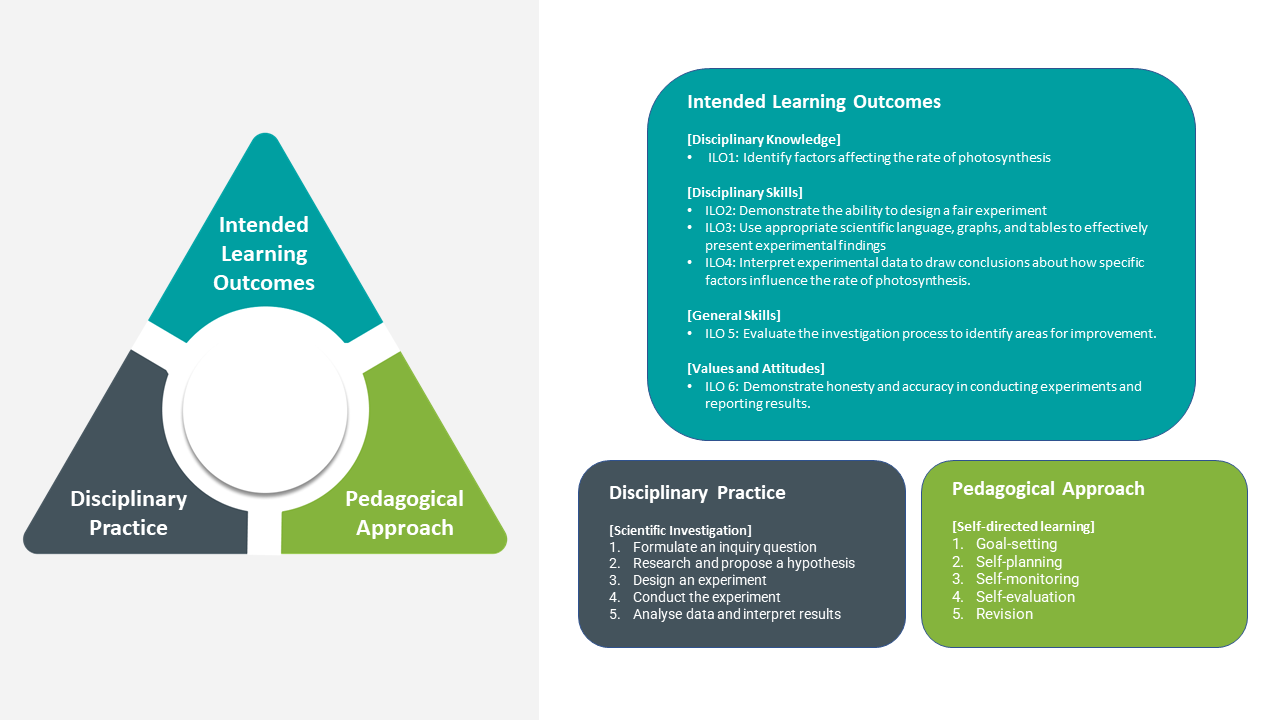
Figure 2.5:6: A Sample Learning Design Triangle
2. Arrange the LDT elements by learning phases
- To make the learning design more manageable, we divide the learning process into distinct phases, guided by the workflow steps of disciplinary practice and the pedagogical foci of the pedagogical approach. Each phase serves as a curriculum unit, focusing on a specific set of learning outcomes.
- In the Learning Design Triangle framework, we call each curriculum unit a Curriculum Component. The collection of curriculum components that represents all phases of learning in a course is called a Curriculum Component Sequence.
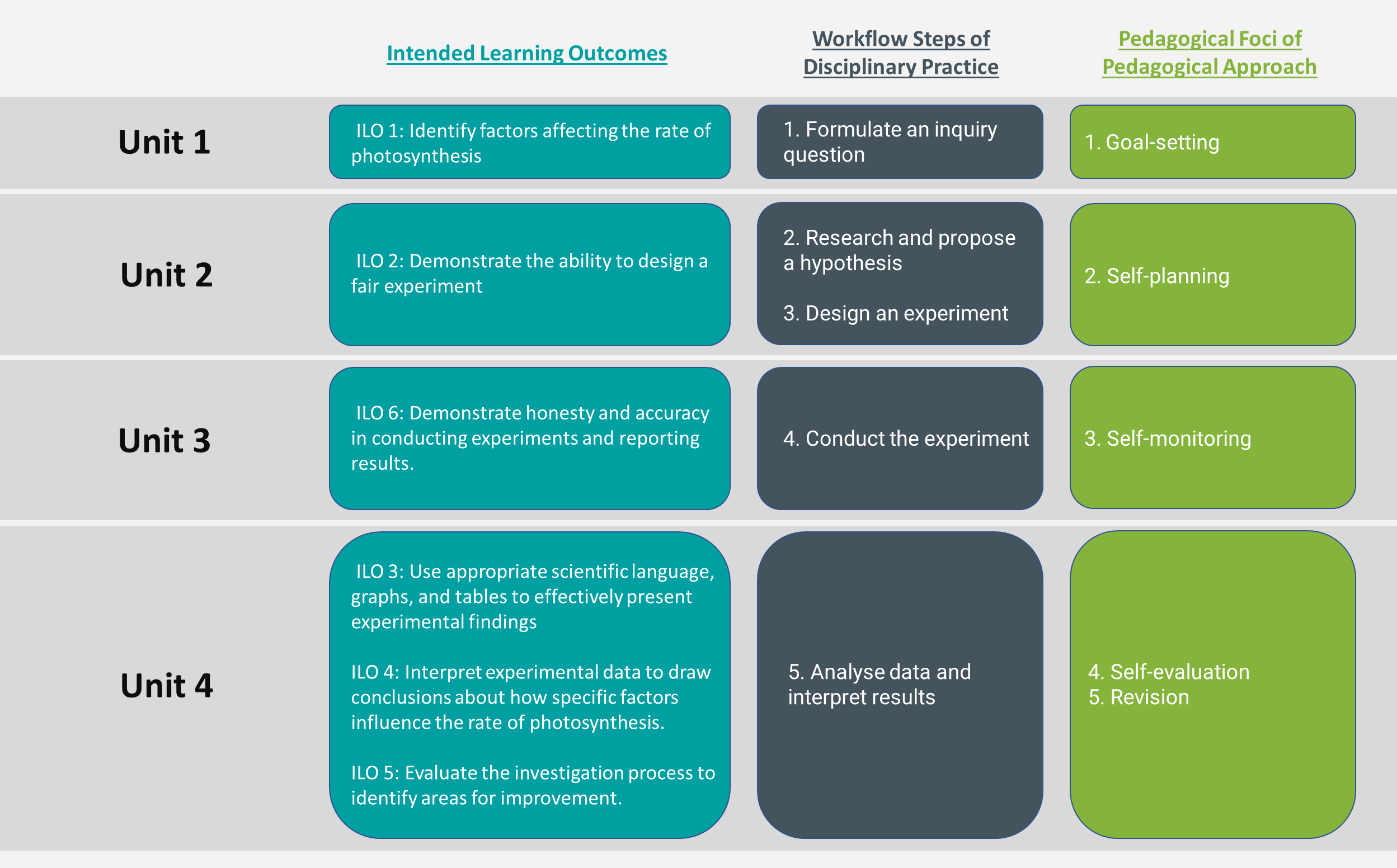
Figure 2.6:6 Arrangement of LDT Elements into Curriculum Units by Learning Phases
3. Assign learning tasks to each Curriculum Components
- To put the Curriculum Component into practice, we need to assign learning tasks to enhance and evaluate learners’ development in knowledge, skills, or values.
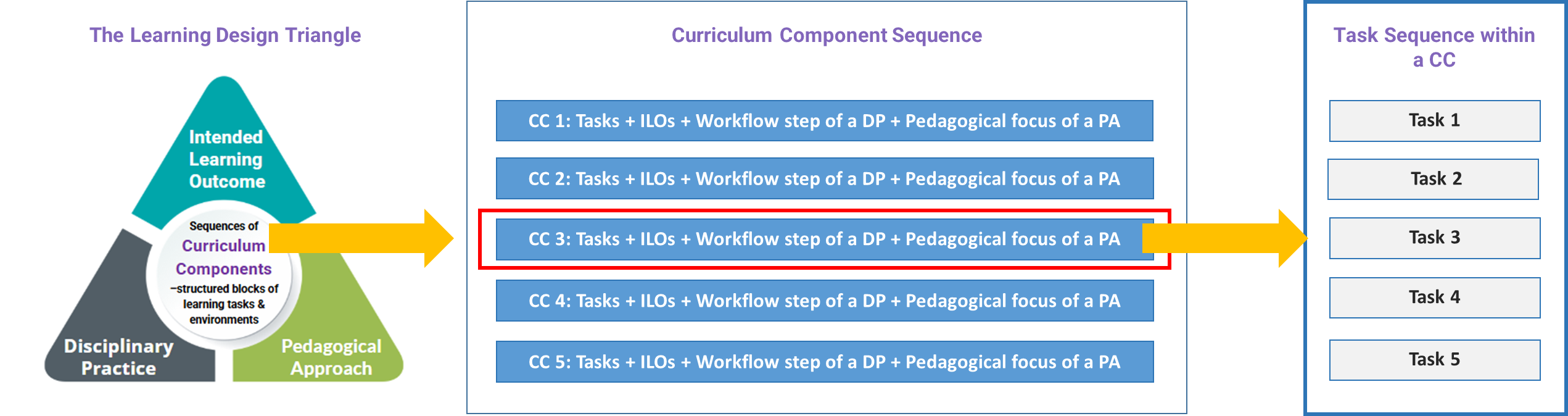
Figure: 2.7 An Illustration of the Learning Design Triangle and the Curriculum Component Sequence
Now, we will explore thean exmapleexample of CC 1
2. Thea Curriculum Component
The(CC) belowfocused example will show how to useon the information"goal-setting" abovephase, towhich createis apresented CCas onUnit formulating1 anin inquiryFigure question for goal setting2.6.
| CC Name |
A CC name is formed by combining four components.
E.g. Through
|
||
| Linked Intended Learning Outcomes |
|
||
| Workflow Step of Disciplinary Practice | Scientific Investigation-Formulate an inquiry question | ||
| Pedagogical Focus | Self-directed Learning - Goal-setting | ||
| Learning Tasks |
|
_____________________________________________________________________________________________
LearningTask Type: Explorations through Conversation
Stage:E-learning Pre-classtool: Database
Asynchronous
|
Each group shares the results of their observations and interviews._____________________________________________________________________________________________
|
|
Discuss and compare the findings from each group’s observations and interviews. Reflect on your own group’s results, identify similarities and differences with peers, and consider any new insights or questions that arise from the discussion._____________________________________________________________________________________________
E-learning tool: |
| Watching |
|
|
Watch a video to learn how photosynthesis works and the factors that affect it._____________________________________________________________________________________________
E-learning tool: |
|
Identify |
|
|
Based on your observations and collected information, list possible factors that may affect plant growth (e.g., light, water, soil quality, temperature). Use these factors to create an inquiry question for further investigation._____________________________________________________________________________________________
Assessment: Linked |
3. The Task Sequence in a CCCC:
- A task can be both an activity and an assessment.
- A well-formulated task sequence helps build knowledge and skills step-by-step while enabling ongoing assessment of student understanding.
-
Learning outcomes are easier to manage and assess.
The introduction of the task types will be covered in Chapter 2.6 - Task Taxonomy.
4. TheBecome CCa Sequence
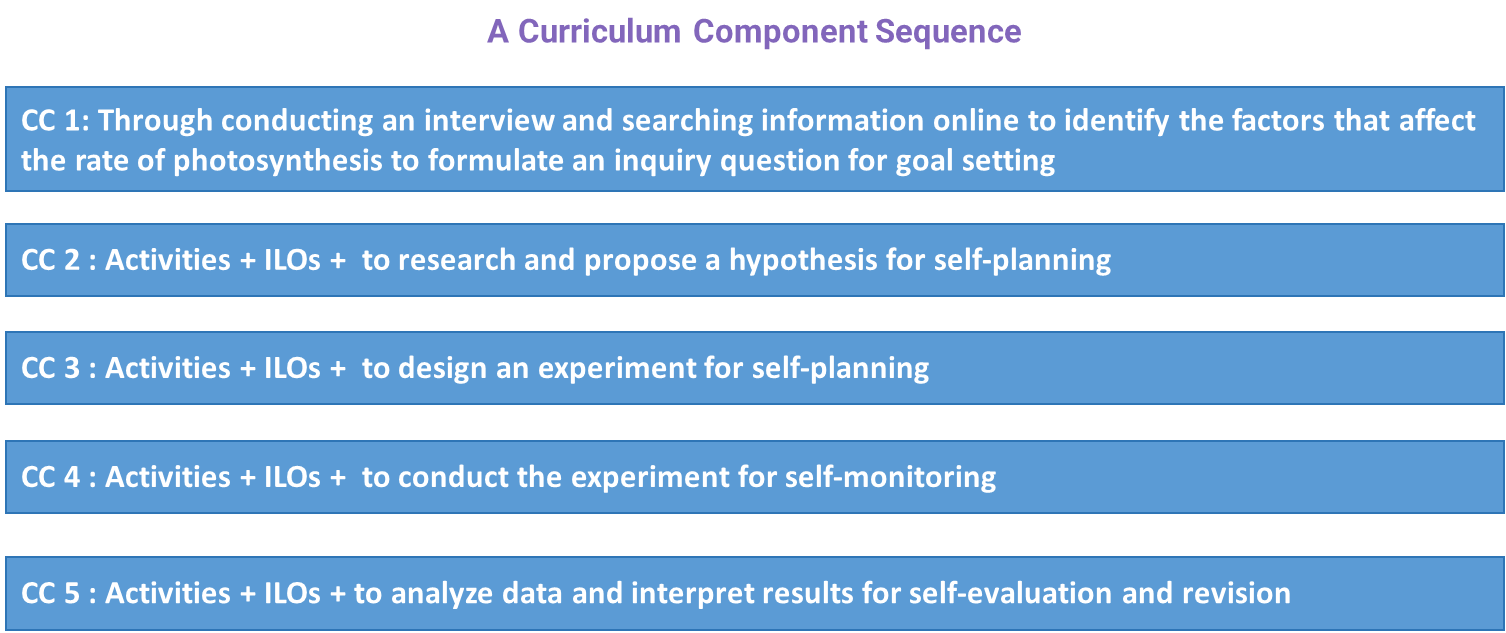
Figure: 2.6 A Curriculum Component Sequence
In order to comprehensively assess all ILOs in thepractical learning design andcan ensurebe studentsimplemented experiencein everylessons
Figure: 2.8 The Curriculum Component Sequence for a logicalSTEAM order and then forming a CC Sequence.Course
5. Benefits of Creating a CC Sequence
The learning process is organized into multiple stages based on workflow steps and pedagogical foci.
At the end, the LDS enables you to assignconvert tasksyour withinlearning each CCdesign to createthe aIDEALS tailorediLAP lessoncourse plan.for Itimplementation. bridgesMore yourdetails idealwill sequencebe withcovered realin classroomChapter needs7 and- constraints, allowing you to revise and adaptConfirming the lessoniLAP planSection forArrangement
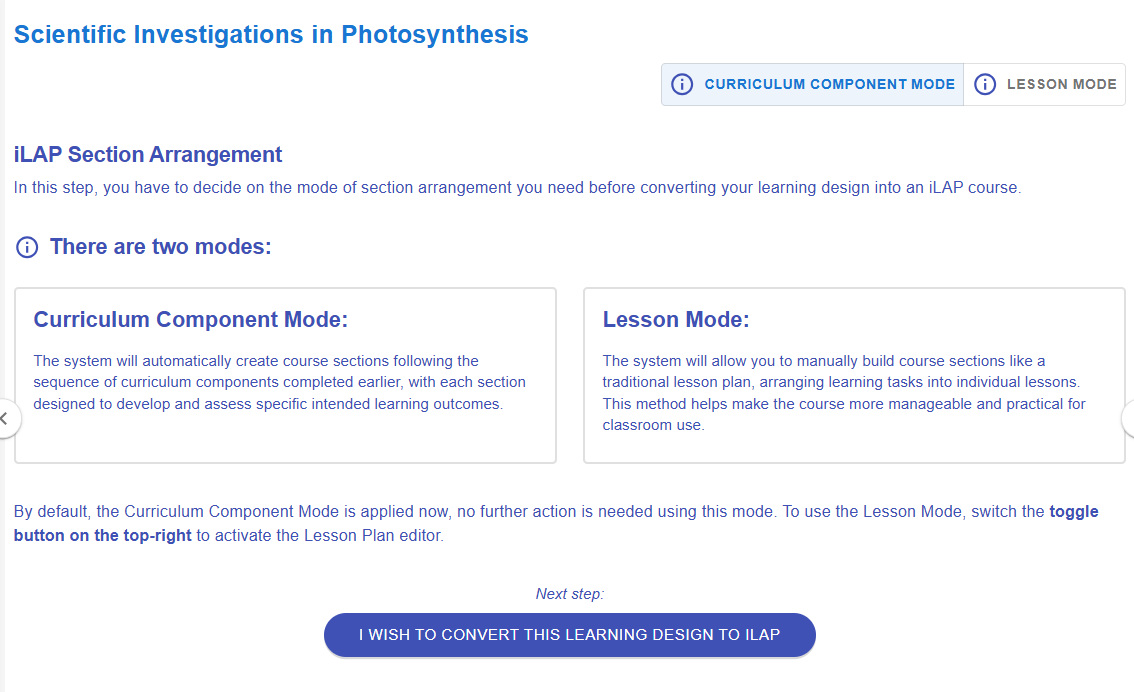
effectiveness.